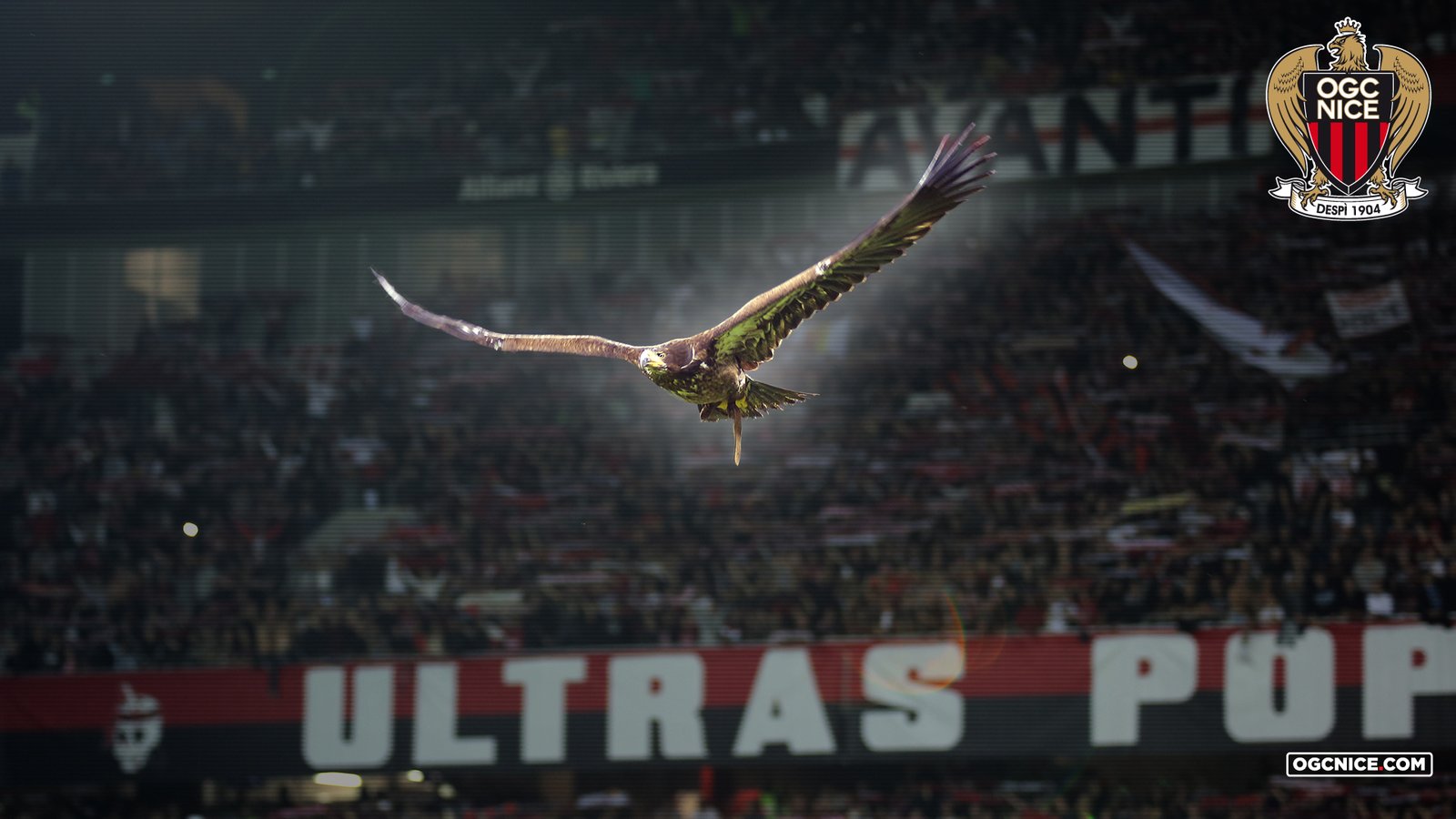
OGC Nice is one of France’s historic and respected football clubs, known for its passionate supporters, competitive spirit, and consistent presence in Ligue 1. Based in the scenic city of Nice on the French Riviera, the club was founded in 1904 and has built a legacy that blends domestic success, player development, and a strong connection to its local community. OGC Nice has consistently demonstrated ambition and resilience, making it a notable name in French football.
Early History and Formation
OGC Nice began as a local sports association before establishing its football section, quickly gaining recognition in regional competitions. During the early decades, the club focused on building infrastructure, nurturing local talent, and creating a strong identity in southern France. These foundational years were essential in establishing the club’s long-term vision and reputation for competitive play.
The 1930s and 1940s marked OGC Nice’s emergence as a professional force in French football. The club steadily climbed through regional and national divisions, setting the stage for its golden era in the 1950s.
Rise to Prominence
OGC Nice’s most successful period came during the 1950s and early 1960s, when the club won multiple Ligue 1 titles and cemented its status as one of France’s top teams. Nice became known for its attacking style, tactical flexibility, and ability to compete against traditional powerhouses like Saint-Étienne, Marseille, and Lyon.
In recent years, OGC Nice has maintained a strong presence in Ligue 1, competing for European qualification spots and continuing its tradition of promoting talented players through its youth system. The club’s philosophy emphasizes technical skill, strategic planning, and attractive football, which has earned them recognition both domestically and internationally.
Total Goals and Key Players
Throughout its history, OGC Nice has scored over 3,800 official goals in domestic and European competitions. The club has produced and hosted several notable players who have left a lasting impact.
Strikers like Hervé Revelli and Mario Balotelli were instrumental in goal-scoring campaigns, while midfielders such as Jean-Pierre Papin and Claude Puel contributed creativity, vision, and leadership. Defenders and goalkeepers, including Benoît Pedretti and Walter Benítez, provided stability and reliability, helping Nice remain competitive in Ligue 1 and European tournaments. These players collectively shaped the club’s attacking identity and defensive resilience.
Awards and Achievements
OGC Nice has an impressive history of domestic achievements:
- Ligue 1 Champions: 1950–51, 1951–52, 1955–56, 1958–59
- Coupe de France Winners: 1952–53, 1953–54, 1996–97
- Trophée des Champions Winners: 1952, 1953
- Multiple promotions from Ligue 2 ensuring top-flight stability
These accomplishments highlight Nice’s capacity to compete at high levels in French football while maintaining a focus on sustainable growth and player development.
Stadium and Fan Base
OGC Nice plays its home matches at the Allianz Riviera, a modern stadium with a capacity exceeding 35,000 spectators. Fans are known for their dedication, creating a vibrant and supportive atmosphere during matches. The club enjoys strong ties to the local community, emphasizing youth development, cultural engagement, and regional pride.
Looking Ahead
OGC Nice continues to aim for domestic success and European qualification, while nurturing young talents through its academy. With a strong foundation, loyal fanbase, and competitive strategy, the club is well-positioned to remain a prominent figure in French football.
OGC Nice represents ambition, resilience, and technical excellence, making it one of Ligue 1’s respected and inspiring clubs.
About the Author